/

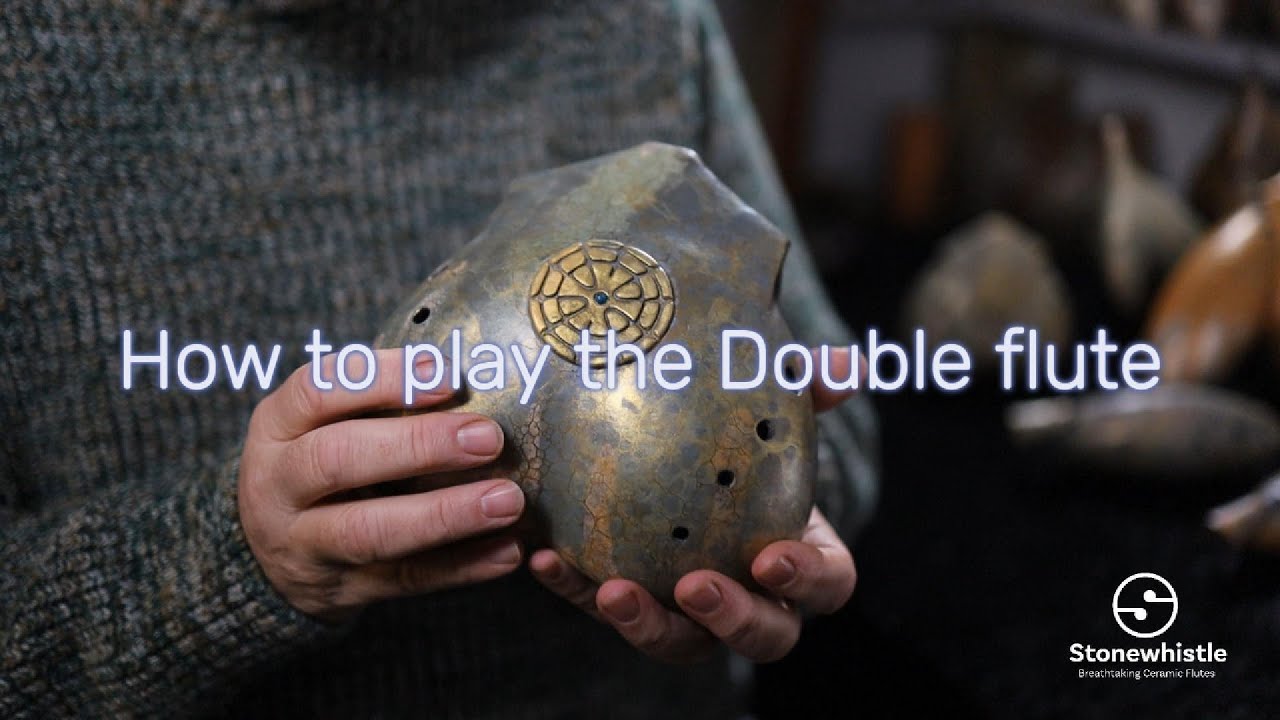
How to play the DOUBLE flute

Questions And Answers

/

Generic selectors
Exact matches only
Search in title
Search in content
Post Type Selectors

How to play and care

General

INNATO

NATEY

DOUBLE

ZENflute

OvA Flute

Shipping

How to play the DOUBLE flute

YouTube player
Here we show you the basic techniques to play the Double flute

Introduction

Welcome to the world of the Double, a unique twin-chamber instrument designed to provide rich, stereo-like sound. The Double is like a double Nateyflute, with two flutes connected side by side. Each side has four fingerholes in the front and a thumbhole at the back, allowing you to play a pentatonic scale on both flutes simultaneously. The scale is Do, Re#, Fa, Sol, La#, Do2, providing a broad range of possibilities for melodies and harmonies. Let’s explore how to play the Double!


Step 1: Holding and Finger Placement

  • The Double has two sides, left and right, each with its own set of fingerholes.
  • Use your pinkies to cover the first (lowest) holes.
  • Use your ring fingers to cover the second holes.
  • Use your middle fingers to cover the third holes.
  • Use your index fingers to cover the fourth (upper) holes.
  • Use your thumbs to cover the thumbholes at the back.
  • You can choose to play both flutes together or focus on one side for melodies while using the other for bass notes.


Step 2: Producing a Sound

  • Blow gently into the small mouthpiece at the top, which divides the air between both flutes.
  • Like the Natey, use a soft “T” articulation to start the note: “T…”. This creates a smooth, clear tone.


Step 3: Pentatonic Scale

  • Each side of the Double plays a pentatonic scale: Do, Re#, Fa, Sol, La#, Do2.
  • Lift your fingers sequentially from the bottom to the top, starting with the pinkies for the lowest hole, then the ring, middle, and index fingers for the upper holes.
  • You can experiment by playing both sides simultaneously for harmony or using one side for bass notes while improvising melodies on the other side. You’ll notice the stereo effect when playing both sides together, as the air flows through both chambers to produce a full, harmonious sound.


Step 4: Finger Technique

  • Follow a smooth sequence of finger movements for fluid transitions between notes.
  • You can create rich harmonies by combining the tones of both flutes, giving the Double its characteristic stereo sound.


Step 5: Overblowing and Vessel Flute Characteristics

  • The Double is a vessel flute, meaning it produces sound one octave lower than a comparable open flute, despite its compact size. This gives the Double a deep, resonant tone. Additionally, the Double cannot be overblown to reach a second octave, allowing you to control your breath and explore expressive playing without jumping octaves.


Step 6: Instrument Characteristics

  • Playing the Double offers a versatile experience. You can focus on deep, bass-like sounds from one flute while creating melodies on the other. Alternatively, playing both sides together provides a stereo-like, harmonious effect that adds depth to your music.


Step 7: Playing on the Head

  • Like the Innato, the Double can also be played on someone’s head, allowing the sound to resonate through their skull via bone conduction. Make sure to explain the process to the participant and ensure they are comfortable. Observe their breathing and body language for cues, creating an intimate, immersive experience where their head becomes part of the Double’s sound chamber.


Final Note

The Double is a beautifully flexible instrument that offers a rich sonic experience. Whether you’re creating harmonies by playing both sides together or focusing on bass and melody separately, the Double gives you endless creative possibilities. It’s perfect for experimenting with sound and rhythm, and with its compact size, you can take it anywhere.

Pick up the Double, let your creativity flow, and enjoy the immersive soundscapes you can create!

Generic selectors
Exact matches only
Search in title
Search in content
Post Type Selectors

How to play the DOUBLE flute

YouTube player
Here we show you the basic techniques to play the Double flute

Introduction

Welcome to the world of the Double, a unique twin-chamber instrument designed to provide rich, stereo-like sound. The Double is like a double Nateyflute, with two flutes connected side by side. Each side has four fingerholes in the front and a thumbhole at the back, allowing you to play a pentatonic scale on both flutes simultaneously. The scale is Do, Re#, Fa, Sol, La#, Do2, providing a broad range of possibilities for melodies and harmonies. Let’s explore how to play the Double!


Step 1: Holding and Finger Placement

  • The Double has two sides, left and right, each with its own set of fingerholes.
  • Use your pinkies to cover the first (lowest) holes.
  • Use your ring fingers to cover the second holes.
  • Use your middle fingers to cover the third holes.
  • Use your index fingers to cover the fourth (upper) holes.
  • Use your thumbs to cover the thumbholes at the back.
  • You can choose to play both flutes together or focus on one side for melodies while using the other for bass notes.


Step 2: Producing a Sound

  • Blow gently into the small mouthpiece at the top, which divides the air between both flutes.
  • Like the Natey, use a soft “T” articulation to start the note: “T…”. This creates a smooth, clear tone.


Step 3: Pentatonic Scale

  • Each side of the Double plays a pentatonic scale: Do, Re#, Fa, Sol, La#, Do2.
  • Lift your fingers sequentially from the bottom to the top, starting with the pinkies for the lowest hole, then the ring, middle, and index fingers for the upper holes.
  • You can experiment by playing both sides simultaneously for harmony or using one side for bass notes while improvising melodies on the other side. You’ll notice the stereo effect when playing both sides together, as the air flows through both chambers to produce a full, harmonious sound.


Step 4: Finger Technique

  • Follow a smooth sequence of finger movements for fluid transitions between notes.
  • You can create rich harmonies by combining the tones of both flutes, giving the Double its characteristic stereo sound.


Step 5: Overblowing and Vessel Flute Characteristics

  • The Double is a vessel flute, meaning it produces sound one octave lower than a comparable open flute, despite its compact size. This gives the Double a deep, resonant tone. Additionally, the Double cannot be overblown to reach a second octave, allowing you to control your breath and explore expressive playing without jumping octaves.


Step 6: Instrument Characteristics

  • Playing the Double offers a versatile experience. You can focus on deep, bass-like sounds from one flute while creating melodies on the other. Alternatively, playing both sides together provides a stereo-like, harmonious effect that adds depth to your music.


Step 7: Playing on the Head

  • Like the Innato, the Double can also be played on someone’s head, allowing the sound to resonate through their skull via bone conduction. Make sure to explain the process to the participant and ensure they are comfortable. Observe their breathing and body language for cues, creating an intimate, immersive experience where their head becomes part of the Double’s sound chamber.


Final Note

The Double is a beautifully flexible instrument that offers a rich sonic experience. Whether you’re creating harmonies by playing both sides together or focusing on bass and melody separately, the Double gives you endless creative possibilities. It’s perfect for experimenting with sound and rhythm, and with its compact size, you can take it anywhere.

Pick up the Double, let your creativity flow, and enjoy the immersive soundscapes you can create!

How do I keep my instrument in good health?

Occasional clean your instrument with a soft, dry cloth and use it’s protective case to keep your flute in good condition. Avoid dropping, hitting, or putting it on a hard surface. Avoid exposure to extreme temperatures. After playing, let the instrument breath for a bit before closing its case. Avoid using any chemicals. 

Do you ship internationally?

Yes, we offer international shipping to many countries. If you are living in a country that is not available during checkout, please contact us for the possibilities. You can contact us by using the chat button button down right on this page, via email at info@stonewhistle.com or call us at [+31614125012] during business hours. 

How do we decorate our instruments

We use our own specially designed techniques to decorate our instruments, avoiding any use of chemicals. Our instruments are made from pure clay, and we decorate them with several layers of homemade Terra Sigillata. This very fine milky clay solution is made from the finest clay particles we gather from different spots along our nearby river, providing us with a range of natural colors after firing. Next, we use a soap bubble technique, which involves several different colors of Terra Sigillata, infused with gold or copper colored Mica which creates unique patterns and a mother-of-pearl effect when light shines on our instruments.

How to play the DOUBLE flute

Welcome to the world of the Double, a unique twin-chamber instrument designed to provide rich, stereo-like sound. The Double is like a double Nateyflute, with two flutes connected side by side. Each side has four fingerholes in the front and a thumbhole at the back, allowing you to play a pentatonic scale on both flutes simultaneously. The scale is Do, Re#, Fa, Sol, La#, Do2, providing a broad range of possibilities for melodies and harmonies. Let’s explore how to play the Double! Step 1: Holding and Finger Placement The Double has two sides, left and right, each with its own set of fingerholes. Use your pinkies to cover the first (lowest) holes. Use your ring fingers to cover the second holes. Use your middle fingers to cover the third holes. Use your index fingers to cover the fourth (upper) holes. Use your thumbs to cover the thumbholes at the back. You can choose to play both flutes together or focus on one side for melodies while using the other for bass notes.   Step 2: Producing a Sound Blow gently into the small mouthpiece at the top, which divides the air between both flutes. Like the Natey, use a soft “T” articulation to start the note: “T…”. This creates a smooth, clear tone.   Step 3: Pentatonic Scale Each side of the Double plays a pentatonic scale: Do, Re#, Fa, Sol, La#, Do2. Lift your fingers sequentially from the bottom to the top, starting with the pinkies for the lowest hole, then the ring, middle, and index fingers for the upper holes. You can experiment by playing both sides simultaneously for harmony or using one side for bass notes while improvising melodies on the other side. You’ll notice the stereo effect when playing both sides together, as the air flows through both chambers to produce a full, harmonious sound.   Step 4: Finger Technique Follow a smooth sequence of finger movements for fluid transitions between notes. You can create rich harmonies by combining the tones of both flutes, giving the Double its characteristic stereo sound.   Step 5: Overblowing and Vessel Flute Characteristics The Double is a vessel flute, meaning it produces sound one octave lower than a comparable open flute, despite its compact size. This gives the Double a deep, resonant tone. Additionally, the Double cannot be overblown to reach a second octave, allowing you to control your breath and explore expressive playing without jumping octaves.   Step 6: Instrument Characteristics Playing the Double offers a versatile experience. You can focus on deep, bass-like sounds from one flute while creating melodies on the other. Alternatively, playing both sides together provides a stereo-like, harmonious effect that adds depth to your music.   Step 7: Playing on the Head Like the Innato, the Double can also be played on someone’s head, allowing the sound to resonate through their skull via bone conduction. Make sure to explain the process to the participant and ensure they are comfortable. Observe their breathing and body